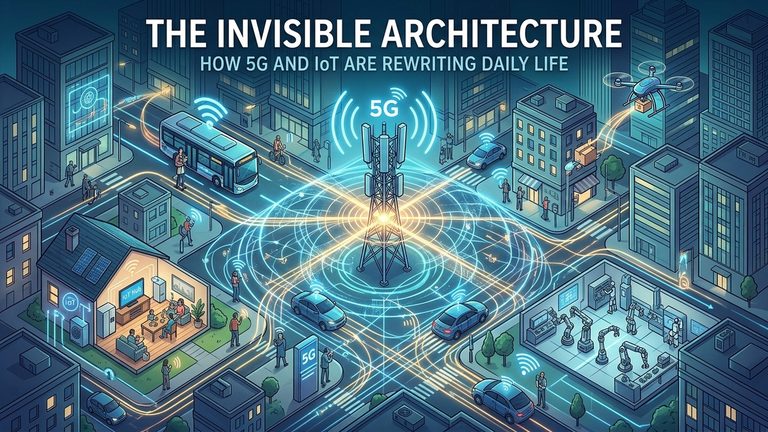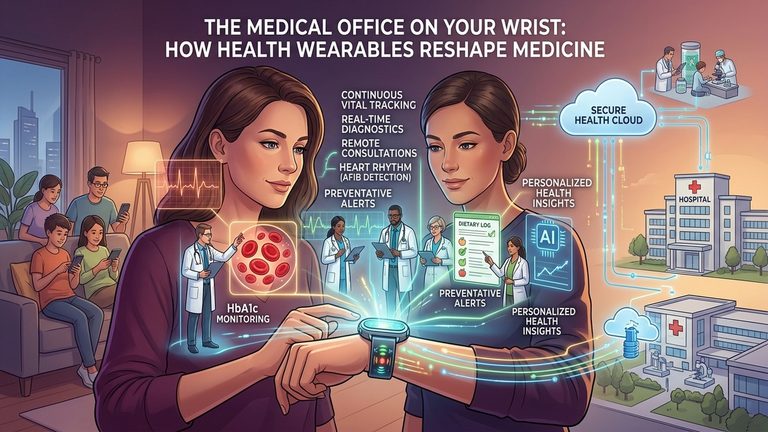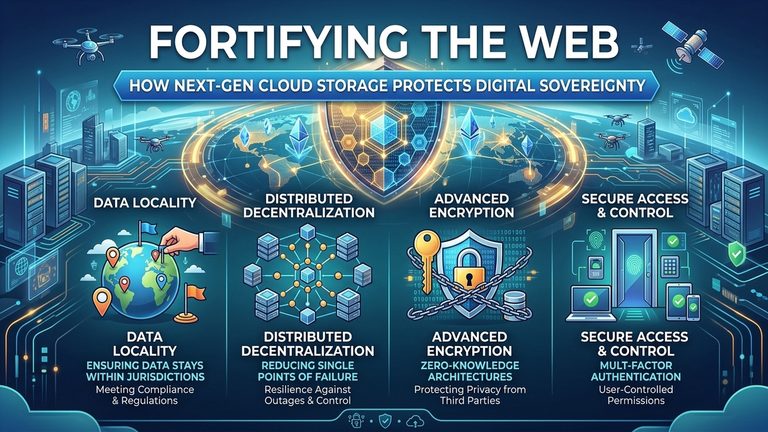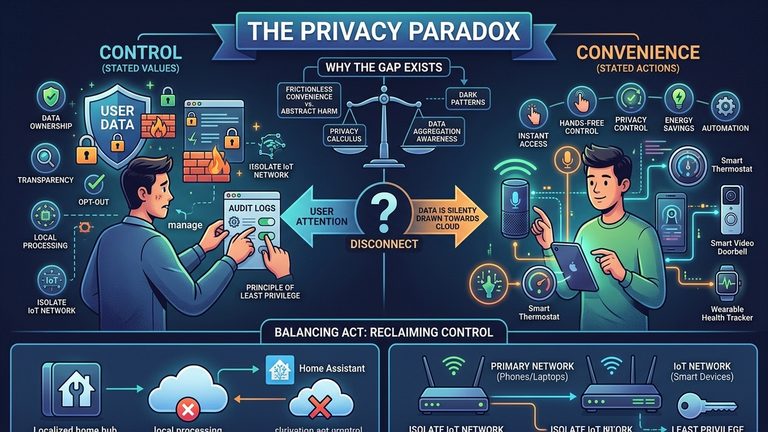





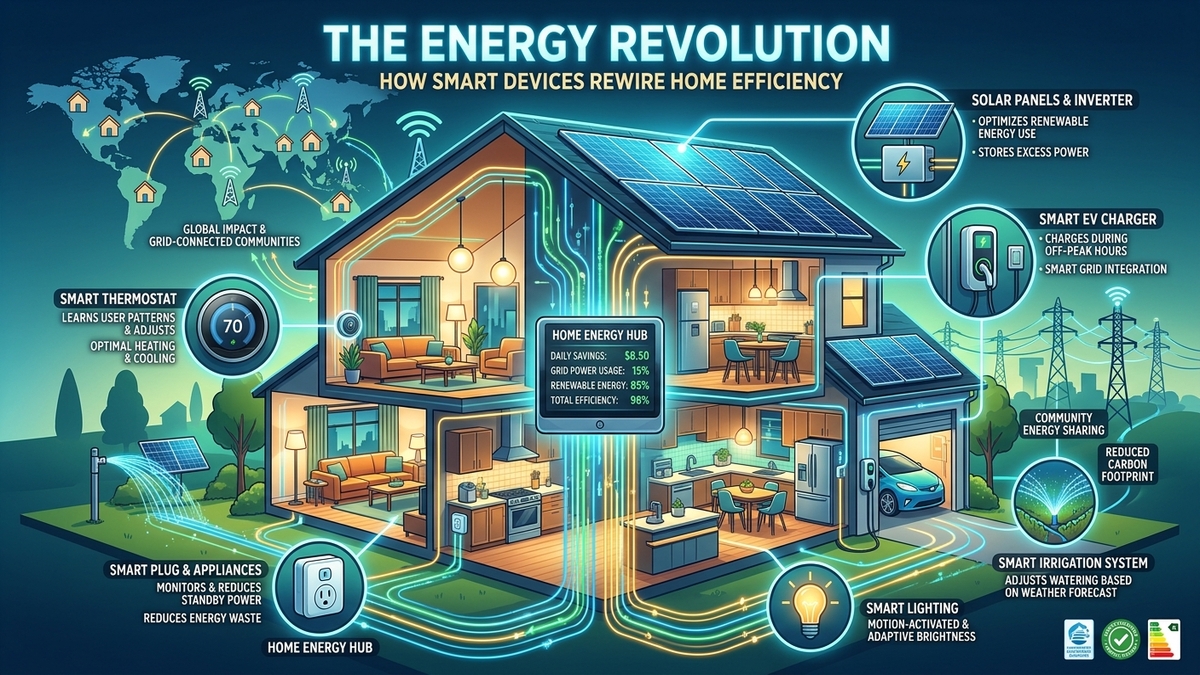
For the past two decades, the consumer narrative surrounding smart home technology was defined primarily by novelty and convenience. Automated window shades, voice-activated ambient lighting, and connected refrigerators were marketed as luxury upgrades designed to reduce minor daily frictions. Yet, behind those consumer-facing gadgets, an unprecedented structural shift was taking shape. Driven by volatile utility prices, accelerating grid instability, and the rapid electrification of heating and transportation, smart devices have shed their identity as lifestyle accessories to become the core infrastructure of modern residential energy.
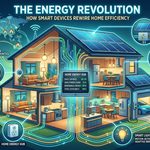
The residential sector, historically treated by utility providers as a passive, predictable destination for centralized power generation, is undergoing a fundamental transformation.Homes are evolving into decentralized microgrids—active digital nodes that generate, store, optimize, and trade electricity in real time. At the center of this quiet revolution is an ecosystem of interconnected technologies: rooftop solar photovoltaics, residential battery storage, high-efficiency heat pumps, electric vehicle (EV) smart chargers, and adaptive climate controls.
When synchronized through advanced algorithmic software, these devices no longer merely draw power from an aging grid. They intelligently orchestrate household energy flows to insulate consumers from soaring peak-rate electricity charges while simultaneously reinforcing regional power networks. The smart home is no longer just connected; it has become an active participant in global grid decarbonization.
From Voice Novelties to Infrastructure: The New Home Energy Engine
The rapid adoption of residential clean energy hardware has introduced a new challenge for modern households: systemic complexity. Over the past five years, millions of homeowners installed individual clean technology assets, such as rooftop solar arrays to reduce daily carbon footprints, residential lithium-ion batteries for emergency backup power, and electric vehicles to replace internal combustion cars. Initially, each of these systems operated in isolation, managed through separate, uncoordinated smartphone applications that required manual oversight.
A standalone solar array produces maximum power during midday hours when household occupancy is often low and electricity demand drops. Without intelligent coordination, excess clean energy flows back onto the local grid at low wholesale prices, only for the homeowner to purchase expensive, fossil-fuel-generated power hours later during evening peak demand. Similarly, plugging an electric vehicle into a standard wall charger immediately upon returning from work adds a massive power draw to local utility distribution circuits at the exact moment regional grid strain is highest.
This operational disconnect catalyzed the development of the Home Energy Management System (HEMS).Acting as the central intelligence engine of the modern residence, a HEMS aggregates disparate hardware assets into a unified, automated network.By connecting directly to smart meters, solar inverters, battery controllers, heat pumps, and appliance relays, the system provides real-time visibility into every watt of power entering, moving through, and leaving the home.
Rather than requiring human operators to monitor utility rates and manually toggle switches, the management system automates complex energy decisions. It evaluates incoming generation from rooftop panels, calculates current battery reserves, assesses thermal retention in water heaters, and balances household consumption demands without disrupting daily routines. The home ceases to function as a collection of disconnected electronics, operating instead as an integrated energy engine.
Predictive Algorithms and the Rise of AI-Driven Load Shifting
While early energy management software relied on static, rule-based schedules—such as turning down the thermostat at a predetermined hour—modern platforms leverage machine learning and predictive analytics to make dynamic, high-frequency decisions.Artificial intelligence has shifted home energy optimization from reactive scheduling to proactive forecasting.
An advanced, AI-enabled energy management platform continuously analyzes multiple independent data streams:
- Hyper-Local Weather Tracking:Algorithms monitor incoming solar irradiance, ambient temperature shifts, and wind speeds to forecast rooftop generation and thermal heating or cooling demands up to forty-eight hours in advance.
- Behavioral Pattern Recognition: Machine learning models learn the subtle occupancy rhythms of household members, tracking when hot water is used, when vehicles are plugged in, and how quickly specific rooms lose or retain heat.
- Dynamic Tariff Integration:Systems ingest real-time, hourly electricity rates from local utility providers, identifying upcoming price spikes and low-cost or negative-rate charging windows.
- Asset Health and Capacity Telemetry: Software continuously tracks battery states of charge, thermal storage capacity in heat pump water tanks, and EV battery limits to ensure operational longevity.
This predictive capacity is vital for addressing the energy industry’s most persistent operational challenge: the “duck curve”. Named for the visual shape of daily net-load graphs, the phenomenon occurs in regions with high solar adoption. Abundant solar power floods the grid during midday, causing net utility demand to plunge. As the sun sets, solar generation collapses just as millions of households turn on lights, air conditioners, and cooking appliances, creating a massive, rapid surge in evening power demand.
Smart home devices mitigate this volatility through automated load shifting. If an intelligent system forecasts a sunny afternoon followed by an expensive evening utility rate spike, it intentionally delays charging the home’s stationary battery during the morning. During midday solar production, the system directs excess energy to charge the household battery, pre-cool the home’s interior using a high-efficiency heat pump, and heat domestic water tanks.
When evening peak rates arrive, the home disconnects its heavy loads from the main grid, running entirely on self-generated solar reserves and battery power. To the utility network, the household effectively vanishes as a demand source during peak hours, flattening the regional load curve while eliminating the homeowner’s exposure to high electricity rates.
Dynamic Pricing and the Economics of the Residential “Prosumer”
The widespread deployment of smart energy technology is fundamentally changing the financial relationship between residential electricity customers and utility companies. Historically, consumers paid a flat, static rate for every kilowatt-hour consumed, regardless of when it was used or how much it cost the utility to generate and transmit. This model obscured the true time-varying value of electricity, offering consumers zero financial incentive to manage their usage patterns.
As renewable energy sources like wind and solar replace coal and natural gas baseload power, electricity supply has become variable and weather-dependent. To align demand with generation, utility regulators across North America, Europe, and the Asia-Pacific region have accelerated the implementation of dynamic, time-of-use (TOU) tariffs and real-time wholesale pricing for residential consumers. Under these structures, electricity costs can fluctuate dramatically within a single twenty-four-hour period, rising during heatwaves or cold snaps and dropping near zero—or even into negative pricing territory—during periods of excess wind and solar generation.
For a conventional home equipped with non-communicating appliances, dynamic pricing represents a significant financial risk, as routine evening activities can trigger exorbitant monthly power bills. For a smart home running automated energy management software, dynamic pricing presents a lucrative economic opportunity.
The traditional, passive utility consumer has been replaced by the active “prosumer”—an entity that both consumes and produces electricity. Equipped with bidirectional smart chargers and residential storage, prosumers engage in automated arbitrage. During off-peak overnight hours when wind generation is high and power prices plummet, the home’s management software draws electricity from the grid to charge stationary batteries and electric vehicles.
During evening peak hours, when power prices surge due to high regional demand, the system automatically discharges stored energy back into the home or exports it directly to the local grid, earning utility credits at peak wholesale rates. The household evolves from a cost center into a self-sustaining financial asset, monetizing its internal storage capacity while providing localized power to the surrounding neighborhood.
Virtual Power Plants: Aggregating Domestic Power for Grid Stability
While an individual smart home optimizing its energy consumption delivers clear financial benefits to a single family, the true, macro-economic power of smart devices emerges when thousands of residential systems are linked together. This network aggregation is known as a Virtual Power Plant (VPP).
A Virtual Power Plant is a software-based platform that aggregates the distributed energy resources (DERs) of hundreds or thousands of independent households—combining smart thermostats, residential batteries, water heaters, and EV chargers into a single, dispatchable resource.To regional grid operators, a VPP functions identically to a traditional power plant, capable of injecting power into the grid or reducing demand on command within seconds.
| Parameter | Traditional Fossil-Fuel Peaker Plant | Residential Virtual Power Plant (VPP) |
| Primary Fuel Source | Natural gas or oil combustion. | Stored solar energy and aggregated residential batteries. |
| Response Time | 15 to 45 minutes to spin up turbines. | Sub-second algorithmic dispatch across network nodes. |
| Capital Expenditure | Hundreds of millions in municipal tax and utility capital. | Decentralized, private consumer hardware investments. |
| Environmental Footprint | High localized carbon emissions and air pollution. | Zero operational carbon emissions. |
| Grid Integration | Centralized, requiring high-voltage transmission lines. | Highly distributed, supplying power at local distribution levels. |
The operational necessity of VPPs becomes apparent during extreme weather events. When record-breaking heatwaves push air conditioning usage to maximum capacity, electrical distribution grids face imminent collapse. Historically, grid operators prevented blackouts by firing up expensive, highly polluting natural gas “peaker plants”—facilities that sit idle for most of the year, running only during peak emergency hours at immense cost.
Virtual Power Plants offer a faster, cleaner, and vastly cheaper alternative. When grid frequency begins to drop during a summer afternoon demand spike, a VPP management engine issues an automated signal to participating homes. Within milliseconds, thousands of smart thermostats adjust their cooling setpoints by a imperceptible one-half degree, residential batteries begin discharging stored solar power onto local distribution circuits, and connected EV chargers pause for fifteen minutes.
By shedding hundreds of megawatts of collective demand instantaneously, the aggregated smart devices stabilize the grid, preventing regional blackouts without requiring physical intervention from homeowners or the operation of fossil-fuel infrastructure. In exchange for participating in these demand-response events, homeowners receive automated utility credits, direct cash payments, or reduced baseline power rates, turning home efficiency into a recurring source of passive income.
The Interoperability Barrier: Matter, Protocols, and Cybersecurity Risks
Despite the undeniable potential of smart energy management, the widespread adoption of home microgrids faces significant technological and structural hurdles. Chief among these is the historical lack of hardware interoperability.
For years, the smart device landscape was severely fragmented by proprietary communications standards, walled-garden software ecosystems, and incompatible hardware protocols. A solar inverter manufactured by one brand often could not communicate natively with a battery storage system from a competitor, while a smart thermostat operated on an entirely separate software cloud. Homeowners were forced to manage complex webs of third-party integration software, native mobile applications, and unreliable custom application programming interfaces (APIs), creating a high barrier to entry for non-technical consumers.
To resolve this fragmentation, the consumer technology and energy industries have rallied around unified open-source communication frameworks. The expansion of standards like Matter—supported by major technology platforms—alongside utility communication protocols such as OpenADR (Open Automated Demand Response) and IEEE 2030.5, has established a shared language for smart devices. These standards ensure that energy management software can discover, authenticate, and control hardware assets seamlessly across different manufacturers, ensuring long-term compatibility and device security.
Concurrently, the integration of homes into active grid participants introduces serious cybersecurity and data privacy concerns. A Home Energy Management System collects extremely sensitive household telemetry, including real-time occupancy patterns, daily work routines, and appliance usage signatures. If compromised by malicious actors, this data reveals when a home is unoccupied, creating physical security risks.
More critically, aggregating millions of residential energy nodes into software-managed Virtual Power Plants creates a new, distributed cyber-attack surface. A sophisticated nation-state adversary or cybercrime syndicate that gains unauthorized control over a major VPP platform could theoretically trigger simultaneous, unexpected power discharges or sudden demand surges across hundreds of thousands of homes. Such an orchestrated attack could instantly destabilize regional electrical frequencies, tripping safety relays and causing widespread blackouts.
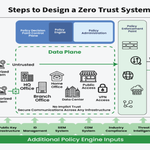
Addressing these risks requires embedding strict cybersecurity-by-design principles into smart home architectures. Next-generation energy devices incorporate hardware-enforced cryptographic security chips, end-to-end encrypted local communications, zero-trust device authentication, and decentralized control architectures. By ensuring that critical safety parameters—such as battery thermal limits and basic household climate safety—remain hardcoded within local hardware devices rather than cloud servers, smart homes can resist external network disruptions and preserve local operational integrity.
Re-Engineering the Built Environment: Infrastructure, Policy, and Society
The transformation of smart devices from convenience items to energy infrastructure is fundamentally reshaping the real estate market, building construction standards, and municipal urban planning.
National and regional governments are rapidly updating building codes to mandate energy-smart architecture in new residential developments. Building efficiency directives across the European Union, alongside updated state codes in the United States, increasingly mandate that new residential constructions incorporate solar-ready electrical panels, pre-wired conduit for EV chargers, and automated demand-response capabilities. Homes built without integrated energy management capabilities are increasingly viewed as financially obsolete, suffering from higher operational overhead, lower resale valuations, and elevated insurance risks in regions subject to grid instability.
Furthermore, the integration of smart home energy management helps alleviate the massive financial burden facing utility providers. Global electrification demands—driven by the rapid transition away from residential natural gas and internal combustion engines—require trillions of dollars in physical infrastructure upgrades to high-voltage transmission lines, subterranean cables, and neighborhood transformers.
By deploying software-driven home efficiency at scale, utilities can flatten local demand peaks, deferring expensive physical infrastructure overhauls while maximizing the efficiency of existing grid assets. The residential home is no longer a passive burden on municipal utilities; it has become a collaborative partner in building a resilient energy grid.
The Horizon of Residential Energy
The convergence of artificial intelligence, high-capacity battery chemistry, open communication protocols, and dynamic energy markets has permanently redefined the function of the modern home. The smart device era, once defined by automated light bulbs and novelty voice assistants, has matured into a sophisticated, decentralized power architecture.
By transforming static residential spaces into adaptive microgrids, the energy revolution is delivering a rare alignment of economic, operational, and environmental goals.Homeowners capture significant reductions in monthly utility expenses, gain protection against grid outages, and monetize their local generation and storage assets. Utilities secure a flexible, sub-second balancing tool capable of smoothing volatile renewable generation and stabilizing distribution networks without fossil fuels.
The future of sustainable power generation does not rely solely on distant wind farms or massive solar installations. It is being built brick by brick, home by home, and device by device—rewiring domestic spaces into the intelligent, resilient foundation of a decarbonized world.